 WH Professional Plumbing Services
Identifying the Culprit Behind Plumbing Leaks
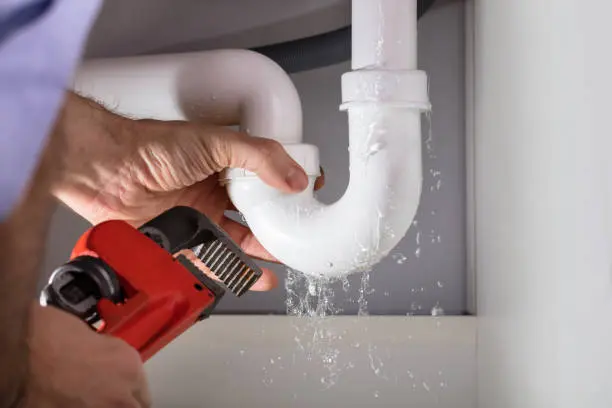
Before attempting any plumbing fixtures, it’s essential to have even a little knowledge of how to repair a plumbing leak to pinpoint the source of the leak. Common origins include loose fittings, worn gaskets, or cracked pipes. Sometimes the leak is apparent, such as a dripping faucet or pooled water underneath a sink. In other cases, it might require more investigation to listen for hissing sounds or checking for damp spots on walls and ceilings that could indicate hidden leaks. Remember that addressing a leak promptly can prevent further water damage and save on utility bills, since even minor leaks can become costly if ignored.
How to Repair a Plumbing Leak: A Homeowner’s Guide
To tackle most basic plumbing repair, you’ll need an assortment of tools and replacement parts:
- An adjustable wrench and pipe wrench for tightening nuts and fittings.
- A screwdriver is set for disassembling fixtures.
- Plumber’s tape (Teflon tape) for securing threaded joints.
- Replacement washers, O-rings, or gaskets depending on what is causing the leak.
Having these items on hand before you start your repair will save time and trips to the hardware store mid-project.
The Repair Process: Common Fixes for Leaks
While every situation can be unique, some common leak repairs include:
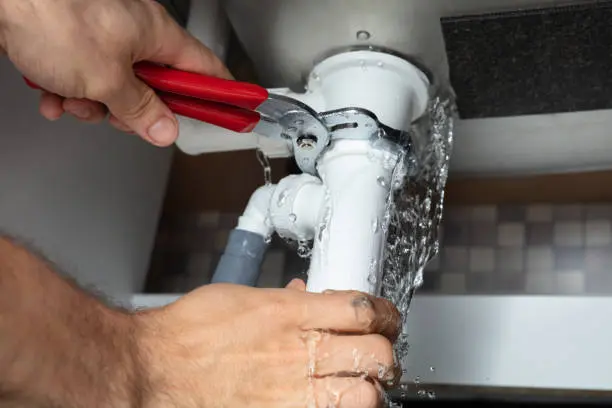
- Tightening loose joint fittings by turning them clockwise with your wrench. Avoid over-tightening which can worsen leaks or break fittings.
- Replacing washers in dripping faucets by first shutting off the water supply, then disassembling the faucet handle to access and swap out old washers.
- Using plumber’s tape on threaded pipes – wrapping it clockwise several times around threads can reinforce sealant effectiveness when reattaching fittings.
- If there is cracked piping – applying repair clamps or using epoxy putty could serve as temporary fixes until professional help arrives or you’re prepared to replace sections entirely.
If a quick fix doesn’t solve the issue then a thorough investigation and possibly replacing part or all affected piping might be needed. This is especially true if you encounter corroded pipes which are indicative of larger infrastructure concerns in older homes. Whether dealing with a running toilet or major pipe leakage following these steps should guide you through basic household fixes while improving overall confidence in tackling similar issues down the line at least until professionals arrive for more advanced problems.
How to Repair a Plumbing Leak: We Are Ready to Assist You
In case these steps on how to repair a plumbing leak don’t fully address your plumbing needs in Silver Spring, MD, don’t hesitate to call WH Professional Plumbing Services at (240) 460-5742. Our team of experts is ready to step in with reliable service ensuring that your repairs are thorough and stand the test of time!